

Understanding the psychological triggers that drive gambling behavior in casinos

Understanding the psychological triggers that drive gambling behavior in casinos
The Allure of Instant Gratification
One of the primary psychological triggers that drive gambling behavior in casinos is the allure of instant gratification. Gamblers often seek immediate rewards, which can be highly stimulating. For instance, when a player pulls the lever on a slot machine, the thrill of possibly winning a jackpot creates an adrenaline rush. This immediate feedback loop, reinforced by lights and sounds, keeps players engaged. In fact, many who explore options at spinnycasinos.org can find numerous ways to enhance their experience. This desire for quick rewards can be traced back to fundamental human psychology.

This desire for quick rewards can be traced back to fundamental human psychology. The brain releases dopamine, a neurotransmitter associated with pleasure, when we engage in activities we enjoy. Gambling exploits this biological response. When players win, even if only a small amount, it activates the brain’s reward system, making them feel a rush of happiness that they might not find in their daily lives. As a result, many return for more, seeking to replicate that initial high.
The casino environment is carefully designed to enhance this experience. With bright lights, cheerful sounds, and an atmosphere of excitement, every aspect aims to captivate the gambler’s attention. The anticipation of winning, coupled with the immediate reinforcement of rewards, can lead to a cycle where players continuously chase that next high. Understanding this trigger is crucial for anyone interested in the psychology of gambling.
The Illusion of Control
Another significant psychological factor that drives gambling behavior is the illusion of control. Many gamblers believe they can influence the outcome of games through skill or strategy, even in games of pure chance. This belief allows players to justify their gambling behavior, thinking they possess a secret technique to beat the odds. For example, in games like poker, players often feel that their decision-making skills can lead to success, despite the inherent randomness involved.
This illusion is further amplified by the outcomes of previous games. When a gambler wins, they often attribute their success to their skill, reinforcing their belief that they can control their fate. Conversely, when they lose, they may chalk it up to bad luck or external factors rather than acknowledging the randomness of the game. This cognitive dissonance encourages ongoing play as players feel empowered to improve their odds.
Casinos exploit this psychological trigger by offering games that highlight strategy, such as blackjack or poker. By creating a perception of skill and decision-making, they draw in players who might otherwise avoid games solely based on chance. Understanding this illusion helps clarify why many gamblers remain committed to their games, often leading them to chase losses in the hope of regaining control over their outcomes.
The Social Aspect of Gambling
The social component of gambling plays a vital role in driving behavior within casinos. For many individuals, visiting a casino is not just about the games but also about the social experience. Gambling can serve as a communal activity where friends gather to enjoy each other’s company while engaging in betting activities. The presence of others can create an environment of excitement and competition, fostering a sense of belonging and camaraderie.
Moreover, casinos often promote social interaction through group games and events. These settings provide opportunities for players to share tips and stories about their experiences, further solidifying their connection to the activity. This sense of community can make the act of gambling more appealing, as individuals feel they are part of something larger than themselves. As a result, people may be more inclined to gamble not just for the potential winnings but for the shared joy and experience of being with others.
In addition to building social connections, the competitive aspect of gambling can intensify the thrill. Players often enjoy the friendly rivalry that develops when they compete against friends or even strangers. This social dynamic encourages prolonged engagement and can sometimes lead to excessive gambling behavior. Understanding this aspect of gambling helps to explain why casinos are often bustling environments filled with laughter and conversation, making them appealing destinations for many.
The Role of Marketing and Environment
The casino environment itself is a carefully constructed space designed to stimulate and entice gamblers. From the layout of the gaming floor to the strategic placement of machines, every element is optimized to draw players in. Casinos often employ bright colors, engaging sounds, and enticing smells to create an atmosphere that feels both luxurious and exhilarating. This sensory overload can keep players on the floor longer than they initially planned.
Marketing strategies further enhance this experience by tapping into the emotions associated with gambling. Promotions, bonuses, and loyalty programs are designed to create a sense of urgency and excitement. These marketing techniques appeal to players’ desires to feel special and valued, encouraging them to spend more time and money at the casino. Special events and tournaments also serve to amplify the thrill, turning ordinary nights into memorable experiences.
Understanding how marketing and environmental factors play into gambling behavior is crucial for both players and industry professionals. By recognizing these influences, gamblers can make more informed decisions about their activities, while casino operators can create engaging spaces that attract players while promoting responsible gaming practices. Awareness of these psychological triggers can lead to a more balanced approach to gambling.
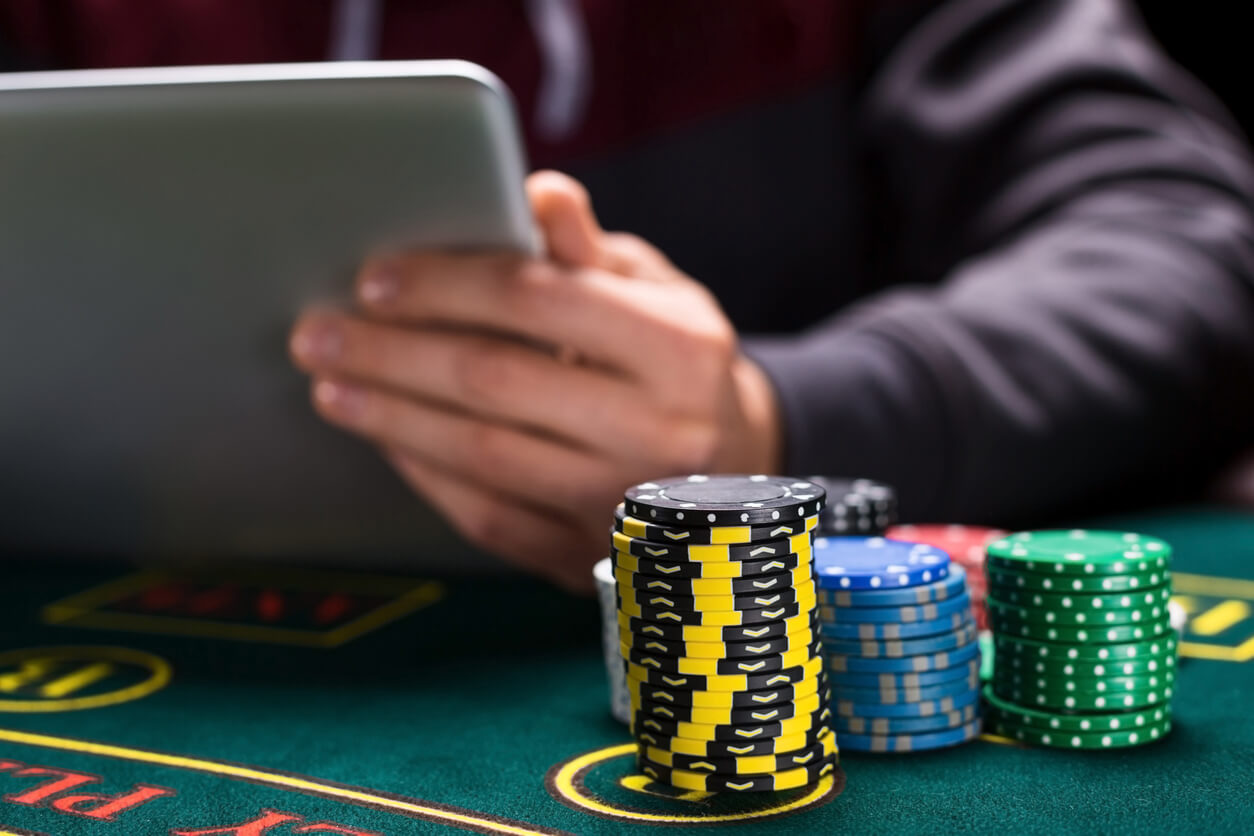
Resources for Responsible Gambling
As the allure of gambling can be strong, it’s essential to be aware of resources that promote responsible gaming. Many casinos and organizations recognize the importance of educating players about the psychological triggers that can lead to unhealthy gambling behavior. They offer resources such as self-exclusion programs, support hotlines, and informational materials that help individuals understand their gambling habits and make informed choices.
Additionally, many casinos have dedicated staff trained to assist individuals who may be struggling with their gambling behavior. These professionals can offer guidance and support, helping players navigate their relationship with gambling. Understanding the psychological triggers at play is a vital first step in recognizing when gambling may be becoming problematic.
By fostering a responsible gaming culture, casinos can help ensure that the excitement of gambling remains a fun and recreational activity rather than a source of distress. Recognizing the psychological aspects of gambling behavior not only benefits players but also promotes a healthier casino environment overall. Knowledge and awareness can empower individuals to enjoy gambling safely and responsibly.
